 English
 Español
  Português
  русский
  Français
  日本語
日本語  Deutsch
  tiếng Việt
  Italiano
  Nederlands
  ภาษาไทย
  Polski
  한국어
한국어  Svenska
  magyar
  Malay
Malay  বাংলা ভাষার
  Dansk
Dansk  Suomi
Suomi  हिन्दी
  Pilipino
  Türkçe
  Gaeilge
  العربية
  Indonesia
  Norsk
Norsk  تمل
تمل  český
český  ελληνικά
  український
  Javanese
  فارسی
فارسی  தமிழ்
தமிழ்  తెలుగు
  नेपाली
  Burmese
  български
  ລາວ
ລາວ  Latine
  Қазақша
  Euskal
  Azərbaycan
  Slovenský jazyk
  Македонски
  Lietuvos
  Eesti Keel
  Română
  Slovenski
  मराठी
मराठी  Srpski језик


What Is a Bitumen Storage Tank and How Does It Improve Asphalt Production Efficiency?
In modern asphalt production and road construction industries, the efficiency, safety, and stability of material storage play a crucial role in overall project success. Bitumen, as a key binding material, requires precise temperature control and reliable storage systems to maintain its quality and usability. This is where advanced storage solutions become essential, ensuring continuous supply, reducing operational risks, and improving production consistency. In this article, we will take a closer look at how Bitumen Storage Tank systems are designed, applied, and optimized across different industrial scenarios.
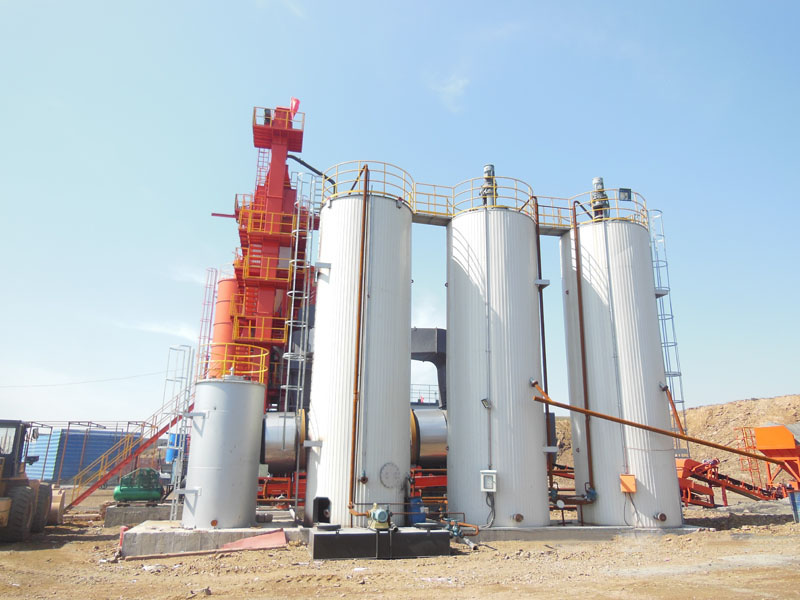
Table of Contents
Introduction: Why is a Bitumen Storage Tank Essential?
In modern construction and asphalt production, storage efficiency and safety are crucial. A Bitumen Storage Tank plays a vital role in ensuring the consistent quality and availability of bitumen for paving, roofing, and other industrial applications. This article explores the significance, types, design parameters, and operational strategies that make these tanks indispensable in the asphalt industry.
Types of Bitumen Storage Tanks
Bitumen storage tanks come in several designs to accommodate different volumes, heating methods, and operational environments. Selecting the right type is critical for maximizing efficiency and reducing operational risks.
1. Vertical Storage Tanks
Vertical tanks are commonly used for large-scale storage. They optimize space and allow for easier heating and circulation of bitumen.
2. Horizontal Storage Tanks
Horizontal tanks are suitable for smaller installations or where height restrictions exist. They provide better stability in windy or earthquake-prone regions.
3. Heated Tanks
Maintaining bitumen at the correct temperature is essential. Heated tanks use steam coils or electric heating to keep bitumen fluid for pumping and processing.
4. Jacketed Tanks
Jacketed tanks offer insulation and heating combined, reducing energy consumption and minimizing heat loss during storage.
| Tank Type | Capacity Range | Best Use |
|---|---|---|
| Vertical | 50 – 500 m³ | Large-scale asphalt plants |
| Horizontal | 10 – 200 m³ | Limited space sites |
| Heated | 50 – 300 m³ | Continuous bitumen processing |
| Jacketed | 50 – 400 m³ | Energy-efficient storage |
Design Considerations
Designing a Bitumen Storage Tank requires careful planning to meet safety, operational, and thermal efficiency requirements.
- Capacity Planning: Estimate maximum storage requirements to ensure continuous supply without overstocking.
- Material Selection: Carbon steel with anti-corrosion coating is preferred for durability.
- Heating Mechanism: Steam coils, hot oil circulation, or electric heating systems maintain bitumen viscosity.
- Insulation: Proper insulation minimizes energy loss and maintains desired temperature.
- Foundation & Support: A stable foundation prevents structural stress and ensures operational safety.
Construction and Installation Guidelines
Professional construction ensures long-term durability and operational efficiency. Key steps include:
- Site Assessment: Evaluate soil bearing capacity, drainage, and accessibility.
- Tank Fabrication: Welding, material treatment, and pre-assembly checks.
- Foundation Preparation: Concrete pad or steel-reinforced base with proper leveling.
- Installation: Positioning, securing heating systems, and insulation application.
- Commissioning: Leak testing, temperature calibration, and operational trial.
Operation and Maintenance Best Practices
Maintaining a Bitumen Storage Tank ensures efficiency, safety, and longevity.
- Regular inspection of tank walls, welds, and insulation.
- Monitoring temperature and viscosity for consistent bitumen quality.
- Scheduled cleaning to prevent sludge accumulation.
- Servicing heating and circulation systems.
- Documenting all maintenance activities for regulatory compliance.
Safety Measures and Compliance Standards
Adhering to safety standards is mandatory when handling hot bitumen. Key measures include:
- Emergency venting systems to prevent overpressure.
- Proper signage and safety zones around the tank.
- Fire suppression systems for high-risk areas.
- Employee training on handling and emergency protocols.
- Compliance with local and international standards for storage and transport.
Industry Applications
Bitumen Storage Tanks are indispensable in various sectors:
- Asphalt Production: Ensures consistent supply for road construction.
- Roofing Industry: Storage of bitumen for waterproofing sheets and membranes.
- Industrial Coatings: Provides raw material for protective coatings and sealants.
- Bitumen Blending: Supports formulation of modified bitumen with polymers or other additives.
Leading manufacturers like WUXI XUETAO GROUP CO., LTD. provide turnkey solutions for high-performance tanks designed to meet modern industrial requirements.
Frequently Asked Questions
1. What is the recommended capacity for a standard bitumen storage tank?
Standard capacities range from 50 m³ to 500 m³ depending on plant size and production volume.
2. How is bitumen temperature maintained in storage tanks?
Through steam coils, hot oil circulation, or electric heating systems integrated into the tank design.
3. How often should maintenance be performed?
Inspections should be conducted monthly, while comprehensive maintenance is recommended annually.
4. Can these tanks be used in cold climates?
Yes, with proper insulation and heating systems, tanks can operate efficiently in cold environments.
5. What safety measures are mandatory?
Emergency vents, fire suppression, temperature monitoring, and trained personnel are essential for safe operation.
Conclusion
Investing in a high-quality Bitumen Storage Tank ensures operational efficiency, safety, and longevity for asphalt and construction projects. Reliable suppliers such as WUXI XUETAO GROUP CO., LTD. provide advanced solutions tailored to industry needs. For inquiries and further assistance, contact us today to discuss your storage requirements.
Send Inquiry



X
We use cookies to offer you a better browsing experience, analyze site traffic and personalize content. By using this site, you agree to our use of cookies.
Privacy Policy