 English
 Español
  Português
  русский
  Français
  日本語
日本語  Deutsch
  tiếng Việt
  Italiano
  Nederlands
  ภาษาไทย
  Polski
  한국어
한국어  Svenska
  magyar
  Malay
Malay  বাংলা ভাষার
  Dansk
Dansk  Suomi
Suomi  हिन्दी
  Pilipino
  Türkçe
  Gaeilge
  العربية
  Indonesia
  Norsk
Norsk  تمل
تمل  český
český  ελληνικά
  український
  Javanese
  فارسی
فارسی  தமிழ்
தமிழ்  తెలుగు
  नेपाली
  Burmese
  български
  ລາວ
ລາວ  Latine
  Қазақша
  Euskal
  Azərbaycan
  Slovenský jazyk
  Македонски
  Lietuvos
  Eesti Keel
  Română
  Slovenski
  मराठी
मराठी  Srpski језик


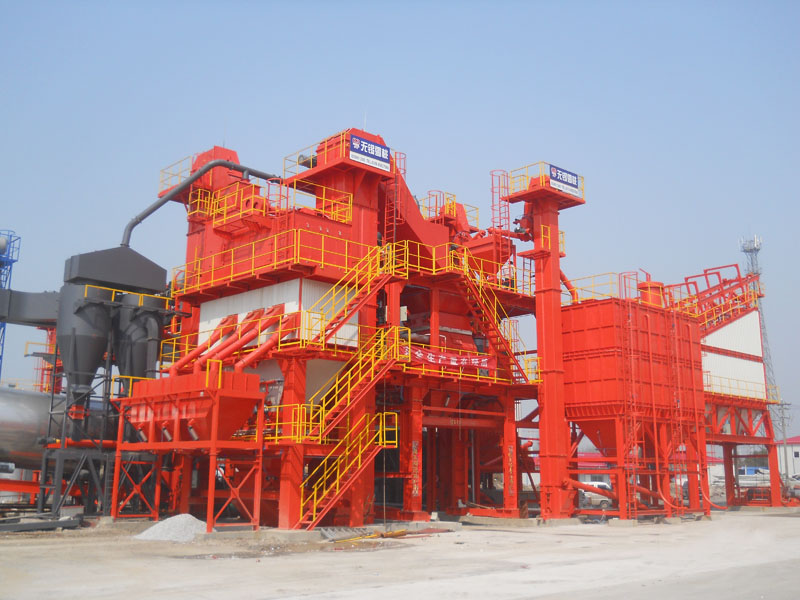
In-House Environmental Asphalt Mixing Plant: A Practical Guide to Sustainable Asphalt Production
An In-House Environmental Asphalt Mixing Plant is a specialized asphalt production system designed for organizations that need to produce asphalt mixtures on their own premises while improving environmental performance and operational control. Unlike traditional asphalt plants that rely heavily on external supply chains, in-house asphalt mixing facilities allow companies to manage production, quality, and material usage more efficiently.
With increasing attention on emission reduction, material recycling, and construction efficiency, environmental asphalt mixing plants are becoming an important solution for road construction companies, infrastructure projects, and large-scale engineering operations.
How Does an Environmental Asphalt Mixing Plant Work?
The production process involves several connected stages to transform raw materials into finished asphalt mixtures.
Material Feeding
Aggregates, mineral powder, recycled asphalt materials, and other components are delivered into the feeding system according to the required mixture ratio.
Drying and Heating
The aggregates pass through a drying drum where moisture is removed and materials are heated to the required temperature for proper mixing.
Material Mixing
Heated aggregates are combined with asphalt binder and additives inside the mixing unit. The system controls mixing time and material proportions to achieve consistent asphalt quality.
Storage and Transportation
The finished asphalt mixture can be temporarily stored before being transported to paving equipment or construction areas.
Why Choose an In-House Asphalt Mixing Plant?
Better Production Control
Having an asphalt plant on-site allows companies to control production schedules, material ratios, and quality standards without depending entirely on external suppliers.
Reduced Transportation Requirements
Producing asphalt closer to the construction location can reduce transportation distance, helping lower fuel consumption and improve project efficiency.
Flexible Production Planning
In-house systems allow operators to produce asphalt according to actual project demands, reducing delays caused by supply limitations.
Improved Material Management
Companies can better manage raw materials, recycled asphalt, and production processes through direct control of the mixing facility.
Environmental Technologies Used in Asphalt Mixing Plants
Dust Collection Systems
Advanced dust removal equipment captures particles generated during aggregate handling and mixing processes, helping reduce environmental impact.
Low-Emission Heating Systems
Modern plants may use improved burners and energy management technologies to reduce fuel consumption and emissions.
Recycled Asphalt Integration
Many environmental asphalt plants support RAP recycling, allowing old asphalt materials to be reused in new mixtures.
Noise Reduction Design
Optimized equipment structures and enclosed systems can help reduce operational noise in surrounding areas.
Main Components of an In-House Environmental Asphalt Mixing Plant
| Component | Function |
|---|---|
| Aggregate Feeder | Controls the supply of different aggregate materials |
| Drying Drum | Removes moisture and heats aggregates |
| Mixing Unit | Combines aggregates, asphalt binder, and additives |
| Dust Collector | Captures dust particles during operation |
| Control System | Monitors and adjusts production parameters |
| Storage System | Keeps finished asphalt mixture ready for use |
Applications of In-House Environmental Asphalt Mixing Plants
Road Construction Projects
Large road construction projects often require stable asphalt supply. An on-site plant can provide continuous production support.
Airport Runway Construction
Airport paving projects require strict asphalt quality control, making independent production systems useful for large-scale applications.
Municipal Infrastructure Projects
Urban road repairs, highways, and public infrastructure projects can benefit from flexible asphalt production capabilities.
Industrial Construction
Industrial parks and large facilities may use in-house asphalt plants for internal road systems and heavy-duty pavement projects.
Important Factors When Planning an In-House Asphalt Mixing Plant
Production Capacity
The plant capacity should match project requirements, construction schedules, and expected asphalt demand.
Site Conditions
Available space, material transportation routes, environmental regulations, and infrastructure conditions should be considered before installation.
Energy Efficiency
Efficient heating systems and optimized production processes can help reduce operational costs and environmental impact.
Automation Level
Modern control systems can improve production accuracy and reduce manual operation requirements.
Common Challenges in Asphalt Mixing Plant Operation
Material Quality Variation
Changes in aggregate properties or moisture content may affect asphalt mixture consistency.
Equipment Wear
Continuous operation can cause wear on components such as mixing blades, conveyor systems, and heating equipment.
Emission Control Management
Regular inspection and maintenance of environmental systems are necessary to maintain stable performance.
Maintenance Tips for Environmental Asphalt Mixing Plants
Inspect Key Components Regularly
Checking burners, filters, conveyors, and mixing units helps identify potential issues early.
Maintain Dust Collection Systems
Cleaning and maintaining dust removal equipment helps ensure effective emission control.
Monitor Production Parameters
Tracking temperature, material ratios, and equipment operation helps maintain consistent asphalt quality.
Frequently Asked Questions
What is the purpose of an environmental asphalt mixing plant?
It is designed to produce asphalt mixtures while improving emission control, energy efficiency, and production management.
Can an asphalt mixing plant recycle old asphalt materials?
Many environmental asphalt plants support RAP recycling, allowing reclaimed asphalt materials to be reused.
Why install an asphalt plant in-house?
An in-house plant provides better production control, flexible scheduling, and reduced dependence on external asphalt suppliers.
Where are environmental asphalt mixing plants used?
They are commonly used in road construction, infrastructure projects, airports, and large industrial developments.
Send Inquiry



X
We use cookies to offer you a better browsing experience, analyze site traffic and personalize content. By using this site, you agree to our use of cookies.
Privacy Policy