 English
 Español
  Português
  русский
  Français
  日本語
日本語  Deutsch
  tiếng Việt
  Italiano
  Nederlands
  ภาษาไทย
  Polski
  한국어
한국어  Svenska
  magyar
  Malay
Malay  বাংলা ভাষার
  Dansk
Dansk  Suomi
Suomi  हिन्दी
  Pilipino
  Türkçe
  Gaeilge
  العربية
  Indonesia
  Norsk
Norsk  تمل
تمل  český
český  ελληνικά
  український
  Javanese
  فارسی
فارسی  தமிழ்
தமிழ்  తెలుగు
  नेपाली
  Burmese
  български
  ລາວ
ລາວ  Latine
  Қазақша
  Euskal
  Azərbaycan
  Slovenský jazyk
  Македонски
  Lietuvos
  Eesti Keel
  Română
  Slovenski
  मराठी
मराठी  Srpski језик


How Can a Stationary Asphalt Mixing Plant Improve Construction Efficiency?
Stationary Asphalt Mixing Plants play a critical role in modern road construction by producing high-quality asphalt mixtures efficiently. They are designed to provide precise batching, minimal environmental impact, and the flexibility to meet diverse project specifications. This article explores the components, advantages, operational workflow, and selection criteria for stationary asphalt plants, helping construction managers and engineers make informed decisions.
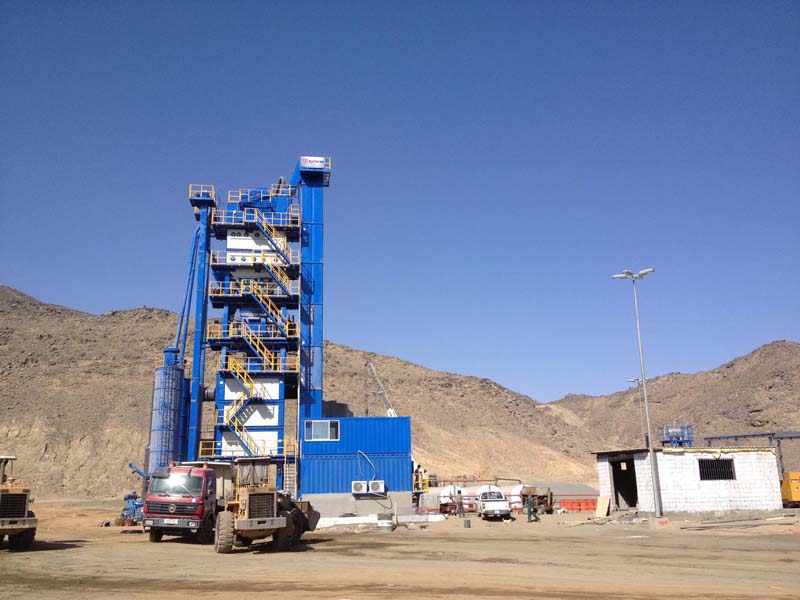
Table of Contents
- Overview of Stationary Asphalt Mixing Plants
- Key Components and Functions
- Operational Workflow
- Benefits for Construction Projects
- How to Select the Right Plant
- Frequently Asked Questions
- Contact CXTCM
Overview of Stationary Asphalt Mixing Plants
Stationary Asphalt Mixing Plants are batch-type facilities designed to produce asphalt mixtures in controlled, repeatable quantities. Unlike mobile asphalt plants, stationary plants are installed at a fixed location and are ideal for large-scale projects requiring consistent output over extended periods.
- Batch production ensures uniform quality in each lot.
- Precise measurement of aggregates, bitumen, and fillers improves asphalt consistency.
- Environmental measures like dust collectors minimize pollution during operation.
- Modular design allows easier installation and maintenance.
Key Components and Functions
The efficiency of a stationary asphalt mixing plant depends on its integrated systems. The major components include:
| Component | Function |
|---|---|
| Cold Aggregate Supply System | Stores and feeds multiple types of aggregates in precise quantities. |
| Dryer Drum Heating System | Dries and heats aggregates to optimal temperatures for mixing. |
| Weighing System | Measures aggregates, bitumen, and fillers accurately for each batch. |
| Powder Storage and Supply | Stores mineral powder and ensures consistent feed into the mixer. |
| Dust Collector | Reduces emissions and prevents environmental contamination. |
| Bitumen Storage and Heating | Keeps bitumen at ideal viscosity for blending with aggregates. |
| PC-Based Control System | Automates operations, monitoring, and quality control for each batch. |
Operational Workflow
Understanding the workflow of a stationary asphalt mixing plant can help optimize production efficiency:
- Aggregate Preparation: Aggregates are transported to the cold storage bins and then fed into the dryer drum.
- Drying and Heating: The dryer drum heats the aggregates to the required temperature, ensuring proper moisture removal.
- Weighing: Aggregates, bitumen, and mineral powder are weighed individually according to the batch formula.
- Mixing: The pug mill uses paddles to blend all materials, producing a uniform asphalt mixture.
- Dust Collection: Dust is captured via bag filters to maintain environmental safety.
- Discharge: The finished asphalt is discharged into trucks or storage silos for transport to the construction site.
- Quality Control: Each batch is monitored to ensure compliance with design specifications.
Benefits for Construction Projects
Stationary asphalt plants provide multiple advantages for contractors and project managers:
- High Production Quality: Batch operation guarantees uniformity and durability in asphalt mixtures.
- Customizable Batching: Easily switch between different mix designs for varied project requirements.
- Environmental Compliance: Efficient dust collection and emissions control reduce environmental impact.
- Operational Efficiency: Automated systems reduce manual labor and increase production speed.
- Long-Term Investment: Durable components and modular design reduce maintenance costs over the plant’s lifespan.
How to Select the Right Stationary Asphalt Mixing Plant
Selecting the ideal asphalt plant requires consideration of project scale, material type, and operational requirements. Key selection criteria include:
| Criteria | Consideration |
|---|---|
| Production Capacity | Choose a plant that meets current project needs and allows for future expansion. |
| Aggregate Types | Ensure the plant can handle the range of aggregates required for different mix designs. |
| Automation Level | Higher automation improves precision and reduces labor costs. |
| Environmental Features | Check dust collectors and emission control systems to comply with regulations. |
| Customization Options | Plants with modular and customizable components allow adjustments to unique project requirements. |
Frequently Asked Questions
-
Q: What is the typical batch time for a stationary asphalt plant?
A: Most plants produce a single batch within 45-55 seconds, depending on material type and mixing time settings.
-
Q: Can the plant handle multiple mix specifications simultaneously?
A: Yes, the batch process allows switching between different asphalt formulas quickly, supporting versatile project requirements.
-
Q: How is dust managed during production?
A: Bag filter dust collectors capture particulate matter efficiently, ensuring a cleaner work environment and regulatory compliance.
Contact CXTCM
For projects requiring reliable asphalt production and top-quality mixing plants, CXTCM offers a range of stationary asphalt mixing plants tailored to your needs. From high-precision batching to customizable plant layouts, our solutions help maximize construction efficiency while minimizing environmental impact. Contact us today to discuss your project requirements and receive professional guidance.
Send Inquiry



X
We use cookies to offer you a better browsing experience, analyze site traffic and personalize content. By using this site, you agree to our use of cookies.
Privacy Policy