 English
 Español
  Português
  русский
  Français
  日本語
日本語  Deutsch
  tiếng Việt
  Italiano
  Nederlands
  ภาษาไทย
  Polski
  한국어
한국어  Svenska
  magyar
  Malay
Malay  বাংলা ভাষার
  Dansk
Dansk  Suomi
Suomi  हिन्दी
  Pilipino
  Türkçe
  Gaeilge
  العربية
  Indonesia
  Norsk
Norsk  تمل
تمل  český
český  ελληνικά
  український
  Javanese
  فارسی
فارسی  தமிழ்
தமிழ்  తెలుగు
  नेपाली
  Burmese
  български
  ລາວ
ລາວ  Latine
  Қазақша
  Euskal
  Azərbaycan
  Slovenský jazyk
  Македонски
  Lietuvos
  Eesti Keel
  Română
  Slovenski
  मराठी
मराठी  Srpski језик


What Is a Bitumen Transportation Tank and Why Does It Matter?
Summary: Bitumen transportation is a critical part of road construction and infrastructure projects. Ensuring that bitumen remains at the correct temperature, is safely transported, and arrives at site without loss or contamination is paramount for quality and efficiency. This article explains what a bitumen transportation tank is, outlines its key features, explores advantages and challenges, and answers common customer questions to help engineering, procurement, and logistics teams make informed decisions.
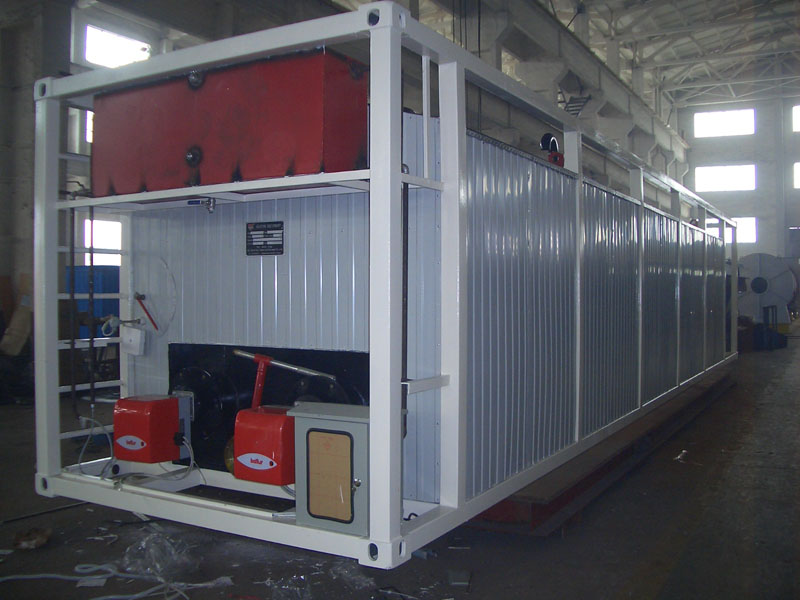
Table of Contents
Overview of Bitumen Transportation Tanks
Bitumen transportation tanks are engineered vessels mounted on trucks, trailers, or semi-trailers designed specifically to transport bitumen safely and efficiently. Bitumen, a viscous hydrocarbon material used in asphalt paving, must be maintained at high temperatures to remain fluid during transport. Standard liquid tanks are not suitable due to the unique thermal and handling properties of bitumen. Purpose-built transportation tanks feature insulation, heating systems, and structural designs optimized for high-temperature operation.
Without proper transportation equipment, bitumen will cool and solidify, leading to significant work delays, increased fuel consumption for reheating, and compromised quality of the asphalt mix. A well-designed bitumen transportation tank mitigates these risks on every delivery run.
Key Features and Design Considerations
Successful bitumen transport relies on the integration of several design elements. Below is a table highlighting key features and why they matter:
| Feature | Purpose |
|---|---|
| Insulated Tank Body | Reduces heat loss and maintains bitumen temperature during transport |
| Heating System | Ensures bitumen stays fluid; may include burners or electric heaters |
| Robust Mounting | Stabilizes tank on uneven roads, reducing vibration and damage |
| Thermal Monitoring | Allows operators to track temperature throughout the journey |
| Safety Valves and Pressure Control | Protects against overpressure and accidental release |
| Drain and Access Ports | Facilitates unloading and cleaning |
Manufacturers must balance insulation thickness, weight, and heating capacity to suit the project’s scope. A tank that retains heat effectively can reduce fuel consumption and delivery cost.
Benefits of Using Specialized Tanks
Investing in a purpose-built bitumen transportation tank delivers measurable advantages:
- Temperature Control: Keeps bitumen within the ideal viscosity range so it pours and pumps easily on arrival.
- Operational Efficiency: Reduces stoppages for reheating and prevents costly downtimes at site.
- Material Integrity: Prevents contamination, oxidation, and thermal degradation of bitumen.
- Safety Compliance: Meets road transport and industrial safety standards, protecting operators and equipment.
- Cost Savings: Lower fuel usage and fewer material losses translate to better project economics.
How to Select the Right Tank
Choosing the right bitumen transportation tank depends on project requirements, delivery distances, and regulatory environment. Key selection criteria include:
- Capacity: Match the volume required per delivery with vehicle and route constraints.
- Heating Type: Decide between diesel burner units or electric heat options based on fuel access and efficiency goals.
- Insulation Quality: Higher-grade insulation delivers longer temperature retention, particularly for long haul deliveries.
- Regulatory Compliance: Verify adherence to local transport safety regulations for hazardous liquids.
- Serviceability: Choose models with accessible maintenance points and reliable spare parts availability.
Companies like CXTCM design tailored bitumen transportation tanks to meet diverse customer needs, offering options that balance performance and total cost of ownership.
Common Challenges and Solutions
Transporting bitumen involves inherent challenges. Understanding these and addressing them with proper equipment can prevent project setbacks:
- Heat Loss During Long Trips: Use enhanced insulation and thermal blankets to sustain temperature.
- Fuel Consumption of Heating Systems: Optimize burner settings and pre-heat schedules based on ambient conditions.
- Safety Risks: Implement strict operating procedures, emergency valves, and routine checks.
- Cleaning and Maintenance: Plan cleaning cycles and use accessible drain systems to reduce downtime.
Long-term partnerships with reputable suppliers ensure that field services, parts, and upgrades are available when needed.
Frequently Asked Questions
Q: How hot should bitumen be for transport?
A: Bitumen temperature for transport typically ranges between 150°C and 180°C depending on grade. Maintaining proper temperature ensures workable viscosity at delivery.
Q: Can bitumen tanks use electric heating?
A: Yes. Electric heating systems are suitable where reliable power sources are available and can offer cleaner operation compared to fossil fuel burners.
Q: What safety features are essential in transportation tanks?
A: Pressure relief valves, thermal monitoring, proper insulation, secure mounting, and emergency shutoff are essential safety features.
Q: How often should a bitumen tank be serviced?
A: Regular service intervals depend on utilization. Pre-season checks and monthly inspections during high usage periods are recommended.
Partner with CXTCM for reliable bitumen transportation tank solutions. Reach out today to discuss customization options and receive tailored proposals that match your project requirements. Contact us to optimize your bitumen logistics and deliver consistent quality to your worksite.
Send Inquiry



X
We use cookies to offer you a better browsing experience, analyze site traffic and personalize content. By using this site, you agree to our use of cookies.
Privacy Policy