 English
 Español
  Português
  русский
  Français
  日本語
日本語  Deutsch
  tiếng Việt
  Italiano
  Nederlands
  ภาษาไทย
  Polski
  한국어
한국어  Svenska
  magyar
  Malay
Malay  বাংলা ভাষার
  Dansk
Dansk  Suomi
Suomi  हिन्दी
  Pilipino
  Türkçe
  Gaeilge
  العربية
  Indonesia
  Norsk
Norsk  تمل
تمل  český
český  ελληνικά
  український
  Javanese
  فارسی
فارسی  தமிழ்
தமிழ்  తెలుగు
  नेपाली
  Burmese
  български
  ລາວ
ລາວ  Latine
  Қазақша
  Euskal
  Azərbaycan
  Slovenský jazyk
  Македонски
  Lietuvos
  Eesti Keel
  Română
  Slovenski
  मराठी
मराठी  Srpski језик


How to Choose the Right Bitumen Melting Equipment for Industrial Applications?
Abstract: Bitumen melting equipment plays a crucial role in road construction, roofing, and industrial asphalt applications. This article explores various types of bitumen melting machines, their parameters, practical applications, and answers common questions to guide industries in selecting the most suitable equipment for their needs.
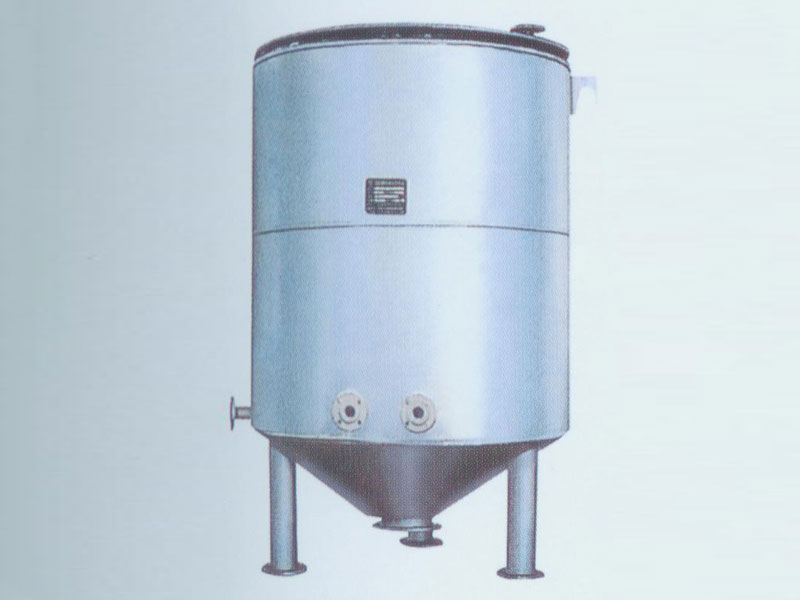
Table of Contents
- Introduction to Bitumen Melting Equipment
- Types of Bitumen Melting Equipment
- Technical Parameters and Specifications
- Common Questions About Bitumen Melting Equipment
- Applications Across Industries
- Maintenance and Safety Guidelines
- Conclusion and Brand Information
Introduction to Bitumen Melting Equipment
Bitumen melting equipment is engineered to efficiently heat and process bitumen for road construction, waterproofing, and industrial asphalt projects. Selecting the right equipment can significantly affect productivity, energy efficiency, and the quality of end products. This article focuses on helping industrial users understand equipment types, critical specifications, operational considerations, and practical applications to ensure optimal decision-making.
Types of Bitumen Melting Equipment
Bitumen melting equipment is commonly classified based on heating method and capacity. Understanding these distinctions can simplify procurement and operational planning:
- Direct Heating Melting Tank: Uses direct flame contact with bitumen for faster melting.
- Indirect Heating Melting Tank: Employs a jacketed system for uniform heating and reduced carbonization risk.
- Mobile Bitumen Melters: Designed for on-site applications, offering flexibility for road repair and construction projects.
- Electric Bitumen Melting Units: Utilize electricity for controlled heating, ideal for small-scale and laboratory operations.
Technical Parameters and Specifications
Below is a detailed overview of typical specifications for industrial-grade bitumen melting equipment:
| Parameter | Description |
|---|---|
| Capacity | 1 to 20 tons per batch |
| Heating Method | Direct flame, Indirect jacket, or Electric |
| Operating Temperature | 120°C to 200°C |
| Power Source | Diesel, Natural Gas, LPG, or Electricity |
| Material | High-quality carbon steel or stainless steel |
| Mobility | Stationary or mobile trailer-mounted units |
| Automation | Manual or PLC-controlled systems |
Common Questions About Bitumen Melting Equipment
1. How long does it take to melt one ton of bitumen?
The melting time depends on heating method, ambient temperature, and equipment efficiency. For direct heating tanks, one ton can typically be melted in 1.5 to 2 hours, whereas indirect or electric systems may require 2 to 3 hours for complete melting to ensure uniform viscosity.
2. What safety precautions are necessary during operation?
Operators must wear heat-resistant gloves and goggles, ensure proper ventilation, regularly inspect heating elements and fuel lines, and keep fire extinguishers on-site. Automatic temperature controllers can prevent overheating and reduce risk of combustion.
3. How to maintain the equipment for long-term use?
Regular cleaning of residue bitumen, periodic inspection of heating surfaces, and lubricating moving parts are essential. For electric units, checking wiring and insulation annually is recommended. Indirect heating systems require monitoring of oil or water jacket fluids for efficiency.
Applications Across Industries
Bitumen melting equipment is widely applied in the following industries:
- Road Construction: Melting bitumen for asphalt mixing, patching, and paving operations.
- Waterproofing: Heating bitumen for roofing sheets and industrial membranes.
- Industrial Asphalt Production: High-capacity melting for large-scale production facilities.
- Research & Development: Laboratory-scale units for material testing and quality control.
Maintenance and Safety Guidelines
Ensuring long-term operational efficiency requires structured maintenance and adherence to safety protocols:
- Conduct daily inspection of heating surfaces and fuel lines.
- Clean residue bitumen after each batch to prevent buildup.
- Test temperature controllers and safety valves monthly.
- Follow manufacturer-recommended lubrication schedules for moving components.
- Train operators on emergency procedures and equipment handling.
Conclusion and Brand Information
Bitumen melting equipment is a critical asset for industries requiring efficient asphalt and waterproofing operations. Understanding different types, technical parameters, applications, and maintenance guidelines enables informed decisions and long-term productivity. CXTCM offers a range of high-performance bitumen melting equipment suitable for various industrial needs. For further inquiries or to request a quote, contact us today and discover tailored solutions for your operations.
Send Inquiry



X
We use cookies to offer you a better browsing experience, analyze site traffic and personalize content. By using this site, you agree to our use of cookies.
Privacy Policy