 English
 Español
  Português
  русский
  Français
  日本語
日本語  Deutsch
  tiếng Việt
  Italiano
  Nederlands
  ภาษาไทย
  Polski
  한국어
한국어  Svenska
  magyar
  Malay
Malay  বাংলা ভাষার
  Dansk
Dansk  Suomi
Suomi  हिन्दी
  Pilipino
  Türkçe
  Gaeilge
  العربية
  Indonesia
  Norsk
Norsk  تمل
تمل  český
český  ελληνικά
  український
  Javanese
  فارسی
فارسی  தமிழ்
தமிழ்  తెలుగు
  नेपाली
  Burmese
  български
  ລາວ
ລາວ  Latine
  Қазақша
  Euskal
  Azərbaycan
  Slovenský jazyk
  Македонски
  Lietuvos
  Eesti Keel
  Română
  Slovenski
  मराठी
मराठी  Srpski језик


How to Optimize Bitumen Storage Tank Usage for Industrial Applications?
Abstract: This article provides a comprehensive guide on Bitumen Storage Tanks, detailing industrial specifications, applications, operational guidelines, and frequently asked questions. It serves as a professional reference for companies looking to optimize storage solutions for asphalt and bitumen in large-scale industrial settings.
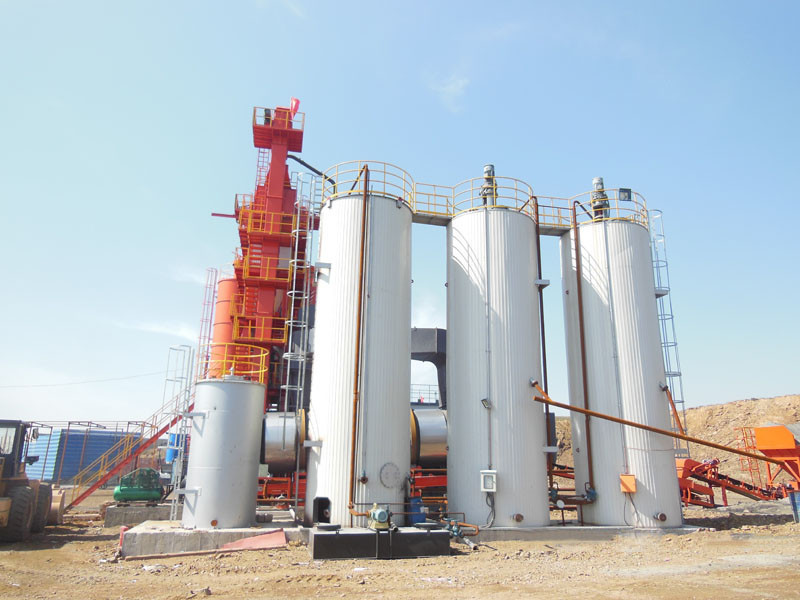
Table of Contents
1. Introduction to Bitumen Storage Tanks 2. Key Specifications and Features 3. How to Maintain and Operate Bitumen Storage Tanks 4. Common Questions and Industrial Best Practices 5. Conclusion and Contact
1. Introduction to Bitumen Storage Tanks
Bitumen Storage Tanks are essential for storing asphalt and bitumen in construction and industrial operations. These tanks are designed to maintain high temperatures, prevent material degradation, and allow safe handling of bituminous materials. The focus of this guide is to explain how industrial companies can select, maintain, and optimize the use of Bitumen Storage Tanks to improve efficiency and operational safety.
The primary goal of this guide is to provide detailed insights on product specifications, operational considerations, and practical solutions for industrial storage challenges.
2. Key Specifications and Features
Bitumen Storage Tanks are engineered with precision to ensure optimal performance in high-temperature and high-volume industrial environments. Key technical parameters include tank capacity, heating system, insulation, and material quality. A typical specification overview is provided below:
| Parameter | Specification |
|---|---|
| Tank Capacity | 50,000 - 200,000 liters |
| Tank Material | Carbon steel or stainless steel with anti-corrosion coating |
| Heating Method | Steam heating or electric heating with temperature control system |
| Insulation | High-quality ceramic fiber or mineral wool for thermal efficiency |
| Operating Temperature | 150°C - 200°C |
| Design Standard | API 650 / ASME standards for industrial storage tanks |
These parameters ensure reliable storage of bitumen, minimizing heat loss and reducing material degradation over extended periods.
3. How to Maintain and Operate Bitumen Storage Tanks
Proper maintenance and operational strategies are critical to extending the life of a Bitumen Storage Tank. Effective practices include:
Heating and Temperature Management
Bitumen requires a controlled heating system to maintain fluidity. Overheating can cause thermal cracking, while underheating increases viscosity, making pumping difficult. Modern tanks incorporate digital temperature controllers for precise adjustments.
Regular Cleaning and Inspection
Residue accumulation at the bottom of the tank can impact material quality. Scheduled cleaning using hot water or chemical cleaning agents is recommended. Periodic inspection of the tank walls, valves, and insulation ensures safe operation and reduces the risk of leakage.
Insulation and Energy Efficiency
High-quality insulation reduces heat loss and energy costs. It is essential to monitor insulation integrity over time, replacing damaged layers promptly. Some tanks include a double-layered jacket with mineral wool for superior thermal retention.
Safety Protocols
Operators must follow safety protocols, including pressure relief systems, emergency valves, and fire-resistant coatings. Bitumen is flammable at high temperatures, so compliance with industrial safety standards is mandatory.
4. Common Questions and Industrial Best Practices
Q1: How can the lifespan of a Bitumen Storage Tank be extended?
A1: Regular maintenance, proper temperature management, and using high-quality insulation materials are key to extending the tank’s lifespan. Scheduled inspections for corrosion, weld integrity, and heating system efficiency are essential.
Q2: How to prevent bitumen from hardening during storage?
A2: Maintaining a stable temperature above the bitumen's softening point ensures fluidity. Automated heating systems and insulation minimize temperature fluctuations, preventing hardening and ensuring smooth pumping.
Q3: How to ensure safety during bitumen storage and handling?
A3: Implement pressure relief systems, emergency shutdown valves, and adhere to industrial fire safety standards. Operators should receive training on handling hot bitumen, and tanks must be equipped with temperature alarms to prevent overheating.
Industrial Best Practices
- Implement automated monitoring for temperature and pressure.
- Use corrosion-resistant coatings and periodic tank inspections.
- Maintain accurate records of maintenance and cleaning schedules.
- Train staff for emergency procedures and safe material handling.
5. Conclusion and Contact
Optimizing the use of Bitumen Storage Tanks requires understanding product specifications, following strict operational protocols, and implementing preventive maintenance. By adopting these strategies, industrial companies can enhance efficiency, reduce operational risks, and maintain bitumen quality.
For high-quality Bitumen Storage Tanks and professional consultation, CXTCM provides customized solutions tailored to industrial storage needs. Contact us to discuss specifications, request a quote, or learn more about our industrial storage solutions.
Send Inquiry



X
We use cookies to offer you a better browsing experience, analyze site traffic and personalize content. By using this site, you agree to our use of cookies.
Privacy Policy