 English
 Español
  Português
  русский
  Français
  日本語
日本語  Deutsch
  tiếng Việt
  Italiano
  Nederlands
  ภาษาไทย
  Polski
  한국어
한국어  Svenska
  magyar
  Malay
Malay  বাংলা ভাষার
  Dansk
Dansk  Suomi
Suomi  हिन्दी
  Pilipino
  Türkçe
  Gaeilge
  العربية
  Indonesia
  Norsk
Norsk  تمل
تمل  český
český  ελληνικά
  український
  Javanese
  فارسی
فارسی  தமிழ்
தமிழ்  తెలుగు
  नेपाली
  Burmese
  български
  ລາວ
ລາວ  Latine
  Қазақша
  Euskal
  Azərbaycan
  Slovenský jazyk
  Македонски
  Lietuvos
  Eesti Keel
  Română
  Slovenski
  मराठी
मराठी  Srpski језик


How Does a Thermal Oil Heater Work and What Are Its Applications?
Abstract: Thermal Oil Heaters are critical industrial equipment used for heating processes requiring consistent, high-temperature heat transfer. This article explores how these heaters function, their industrial applications, common challenges, and detailed specifications of the CXTCM Thermal Oil Heater. The content is structured to answer key questions, provide professional insights, and guide readers on selecting the right thermal oil heating solution.
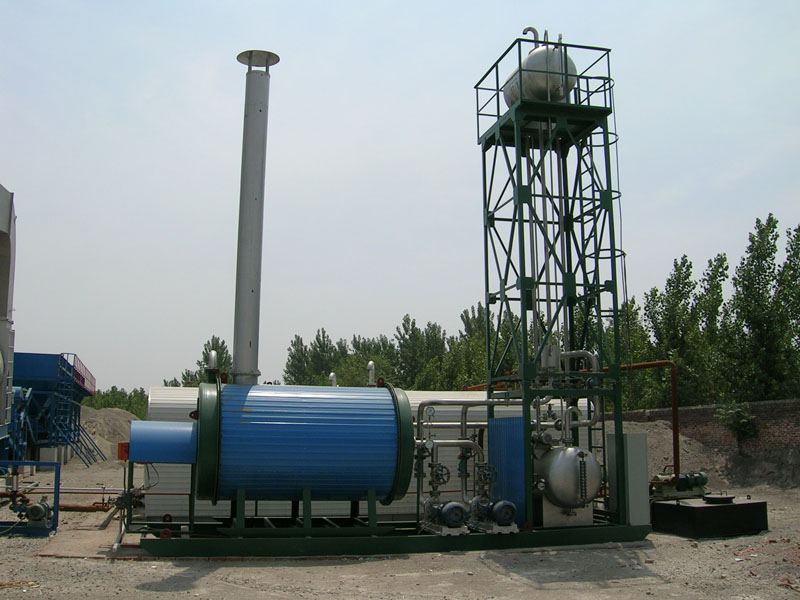
Table of Contents
Introduction to Thermal Oil Heaters Technical Specifications How Thermal Oil Heaters Work Applications in Industry Common Questions About Thermal Oil Heaters Conclusion
Introduction to Thermal Oil Heaters
Thermal Oil Heaters, also known as thermal fluid heaters or hot oil heaters, provide indirect heating using thermal oil as a heat transfer medium. Unlike steam or water-based systems, thermal oil allows for high-temperature heating at low pressures, enhancing safety and efficiency. Industries such as chemical processing, food production, plastics manufacturing, and textiles rely heavily on these systems for precise temperature control.
This article focuses on understanding the working principles, exploring industrial applications, analyzing performance parameters, and answering common questions to help professionals make informed decisions when selecting a Thermal Oil Heater.
Technical Specifications
The CXTCM Thermal Oil Heater comes with advanced performance parameters designed for high efficiency, durability, and industrial compliance. Key specifications are summarized below:
| Parameter | Specification |
|---|---|
| Model | CXTCM-TH-1000 |
| Heating Medium | Thermal Oil |
| Rated Power | 1000 kW |
| Operating Temperature | 50°C - 350°C |
| Operating Pressure | 0.1 - 0.3 MPa |
| Fuel Type | Gas, Diesel, Heavy Oil, Biomass (optional) |
| Efficiency | Up to 92% |
| Material | Stainless Steel / Carbon Steel with Anti-Corrosion Coating |
How Thermal Oil Heaters Work
Thermal Oil Heaters operate by heating a thermal fluid through a combustion chamber or electric heating elements. The heated oil circulates through pipelines to heat exchangers, reactors, or other equipment without direct contact with the product. This ensures stable temperature control, high safety, and energy efficiency.
Key Operational Process:
- Heating: Combustion of fuel heats the thermal oil in the heater’s coil or chamber.
- Circulation: The pump circulates the oil through insulated pipelines to the processing equipment.
- Heat Transfer: Heat from the thermal oil is transferred to the equipment or process fluid without direct contact.
- Return Flow: Cooled oil returns to the heater to maintain a continuous cycle.
Applications in Industry
Thermal Oil Heaters are widely used across multiple industries for precise and high-temperature heating. Key applications include:
- Chemical Industry: Heating reactors, distillation units, and storage tanks with consistent high temperatures.
- Food & Beverage: Oil heating for cooking, frying, and pasteurization processes.
- Textile & Printing: Dyeing, printing, and finishing processes requiring controlled heat.
- Plastics & Rubber: Molding, extrusion, and vulcanization where stable heat is critical.
- Pharmaceutical: Sterilization, evaporation, and chemical synthesis under precise temperature control.
Common Questions About Thermal Oil Heaters
- Q1: How is the operating temperature controlled in a Thermal Oil Heater?
- A1: The operating temperature is controlled using advanced thermostatic controllers and sensors that monitor oil temperature. The heater adjusts fuel input or electric power dynamically to maintain precise temperature within the set range, ensuring safe and consistent heat transfer for industrial applications.
- Q2: What are the safety measures for Thermal Oil Heaters?
- A2: Safety measures include pressure relief valves, temperature alarms, automatic shutdown systems, high-quality insulation, and regular maintenance protocols. The low-pressure operation compared to steam systems reduces risk, while modern CXTCM heaters include integrated safety monitoring for industrial environments.
- Q3: How can efficiency be maximized when using a Thermal Oil Heater?
- A3: Efficiency can be maximized by selecting the appropriate heater capacity, using high-quality thermal fluids, maintaining proper insulation, and scheduling regular maintenance. Implementing automated control systems to regulate flow rates and temperature ensures energy savings and prolonged equipment life.
Conclusion
Thermal Oil Heaters play a vital role in industrial heating, offering precise temperature control, high efficiency, and versatile applications. The CXTCM Thermal Oil Heater stands out with advanced technical specifications, safety features, and industrial adaptability, making it a preferred choice for chemical, food, textile, and plastic industries. For more information or to discuss the ideal solution for your facility, contact us.
Send Inquiry



X
We use cookies to offer you a better browsing experience, analyze site traffic and personalize content. By using this site, you agree to our use of cookies.
Privacy Policy