 English
 Español
  Português
  русский
  Français
  日本語
日本語  Deutsch
  tiếng Việt
  Italiano
  Nederlands
  ภาษาไทย
  Polski
  한국어
한국어  Svenska
  magyar
  Malay
Malay  বাংলা ভাষার
  Dansk
Dansk  Suomi
Suomi  हिन्दी
  Pilipino
  Türkçe
  Gaeilge
  العربية
  Indonesia
  Norsk
Norsk  تمل
تمل  český
český  ελληνικά
  український
  Javanese
  فارسی
فارسی  தமிழ்
தமிழ்  తెలుగు
  नेपाली
  Burmese
  български
  ລາວ
ລາວ  Latine
  Қазақша
  Euskal
  Azərbaycan
  Slovenský jazyk
  Македонски
  Lietuvos
  Eesti Keel
  Română
  Slovenski
  मराठी
मराठी  Srpski језик


The problem of treating asphalt exhaust gas has been solved by Wuxi Xuetao!
In asphalt mixing equipment, especially during the production of recycled materials, a large amount of highly concentrated asphalt exhaust gas is generated. The challenge is that the concentration of the asphalt exhaust gas is high, it contains dust, particles, and the processing air volume is large, usually reaching 35,000 - 40,000 m³/h or more. Currently, the implementation is based on GB 16297-1996 "Integrated Emission Standards for Air Pollutants", which requires the exhaust concentration of asphalt to be below 20 mg/m³. Traditional technologies such as plasma electro-capture, activated carbon filtration, scrubbing tower scrubbing, and sending it to the original drying drum for incineration cannot meet the requirements and are difficult to implement. In addition, the operating cost is also a factor that needs to be carefully considered. Excessive energy consumption will significantly increase production costs, making it unaffordable for users. Therefore, an efficient and low-energy consumption exhaust gas treatment solution is the urgent demand of customers. Wuxi Xuetao Group Co., Ltd. and its subsidiaries have developed a set of ROIE-I series VOCs incineration (secondary TO furnace) and waste heat recovery equipment based on the actual situation and combined with years of manufacturing experience in asphalt recycled mixing equipment and boilers. This can effectively solve these two problems. It can not only efficiently treat the asphalt exhaust gas and make it meet strict emission standards, but also reduce operating costs and achieve dual benefits of economy and environmental protection.
The process principle of the VOCs (secondary TO furnace) incineration and waste heat recovery equipment of the Wuxi Xuetao ROIE-I system is as follows: The asphalt exhaust gas produced during the production of the asphalt mixing equipment is sent into the TO furnace and mixed with the combustion air for complete combustion. The combustion of natural gas in the furnace generates a temperature of approximately 750 - 800℃, oxidizing and decomposing pollutants such as benzopyrene, asphalt smoke, and non-methane total hydrocarbons in the exhaust gas into carbon dioxide and water, eliminating the odor. The gas after high-temperature decomposition has fully met environmental protection requirements, and the generated waste heat is all reused to heat the stone materials in the asphalt mixing equipment, without wasting heat energy.
Case 1:
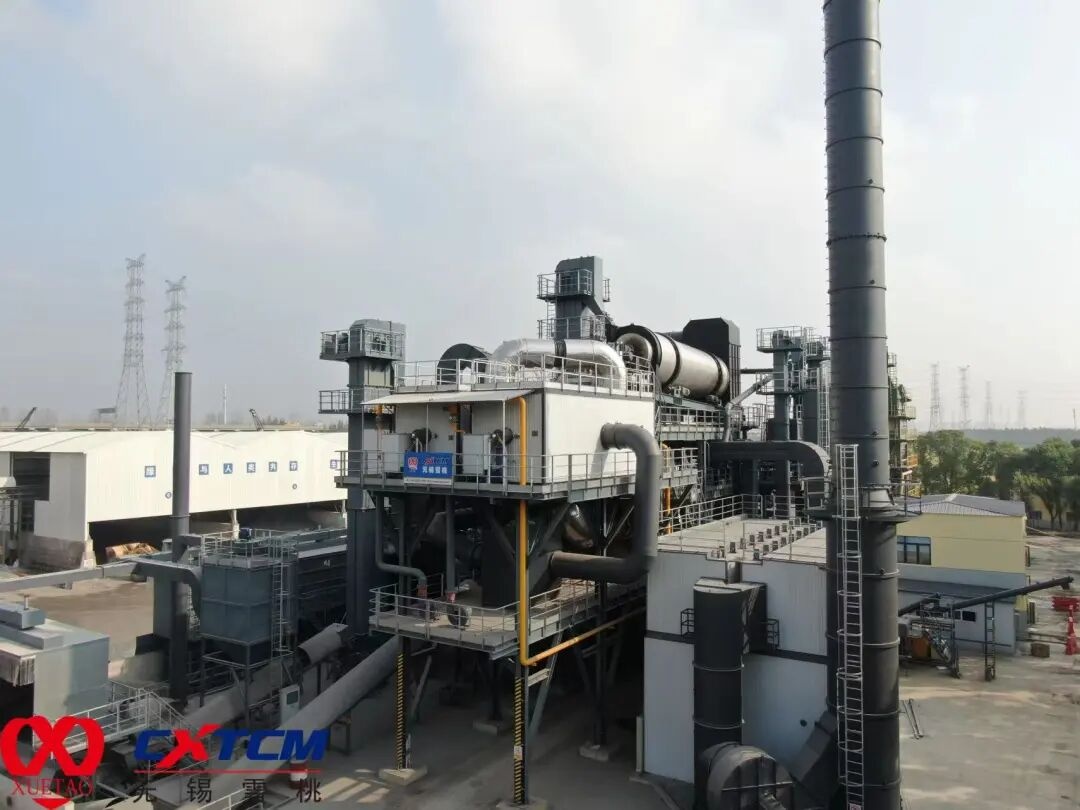
An imported asphalt mixing equipment of a company in Suzhou was equipped with a set of Wuxi Xuetao ROIE-I series VOCs incineration (secondary TO furnace) and waste heat recovery equipment to treat the asphalt exhaust gas. After environmental protection technological transformation, more than 20,000 tons of mixed materials have been produced, among which more than 6,000 tons are recycled materials. During the production process, the various emission indicators were far below the environmental protection requirements, especially the odor was completely eliminated, and it had no impact on the surrounding residents. It has been continuously producing for about 30 days, with no complaint at all. This has helped the customer completely solve the problem and proved that this technology has a good effect on the treatment of asphalt exhaust gas.
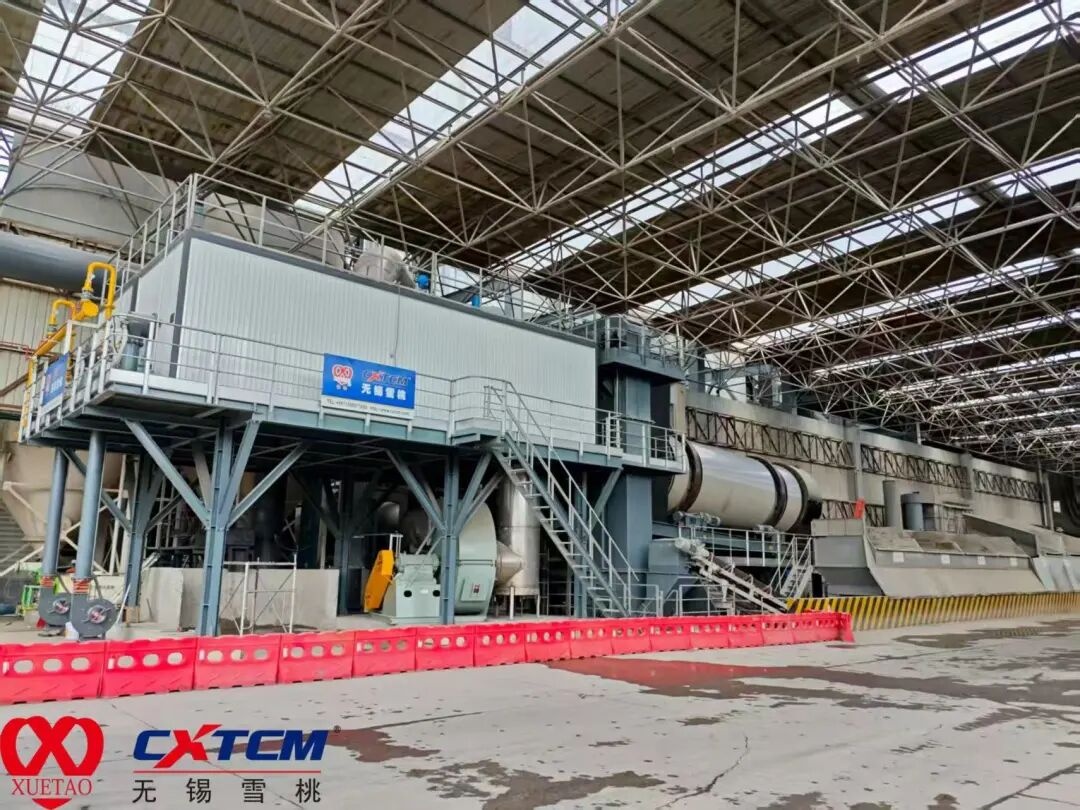
After actual tests at construction sites in Shanghai, Suzhou, etc., the concentration of the asphalt exhaust gas treated by this scheme has been significantly reduced, far below the emission standard of 20 mg/m³ for asphalt smoke. It fully meets the environmental protection requirements. In terms of operating energy consumption, through the waste heat recovery system, the energy has been effectively utilized. Combined with the efficient treatment of the secondary TO furnace, the comprehensive cost is only 2-3 yuan per ton of material, which is significantly lower than that of the traditional treatment scheme. It effectively reduces the pollution of asphalt exhaust gas to the environment, lowers the harm to surrounding residents and the ecological environment, avoids the risk of fines and shutdown due to non-compliance with emission standards, and has significant environmental and social benefits.
The use of VOCs incineration (secondary TO furnace) and waste heat recovery equipment to treat asphalt exhaust gas is technically feasible and economically reasonable. It can effectively solve the problem of treating high-concentration asphalt exhaust gas, meet strict emission standards, and at the same time reduce operating energy consumption and costs. It meets the dual requirements of environmental protection and economic benefits.
Previous:What is Asphalt Mixing Plant
Send Inquiry



X
We use cookies to offer you a better browsing experience, analyze site traffic and personalize content. By using this site, you agree to our use of cookies.
Privacy Policy